
Arterial bleeding is one of the most serious types of bleeding because blood flows rapidly from the body. Quick action and calm decision-making can greatly improve safety until professional medical support arrives. Learning the right first aid techniques helps reduce blood loss and supports better recovery outcomes during emergencies.
Recognize the Signs of Arterial Bleeding
Identifying severe bleeding early is extremely important. Arterial bleeding usually has noticeable warning signs that require immediate attention.
Common signs include:
- Bright red blood flowing quickly
- Blood spurting in pulses
- Rapid soaking of clothing or bandages
- Weakness or dizziness
- Pale or clammy skin
- Confusion or faintness
Fast recognition allows quicker response and improves the chance of stabilizing the injured person.
Stay Calm and Act Quickly
Remaining calm helps you think clearly and provide effective assistance. Panic can delay lifesaving actions, so focus on controlling the situation step by step.
Important early actions:
- Ensure the area is safe
- Ask someone to contact emergency services
- Put on protective gloves if available
- Reassure the injured person
- Keep them still and comfortable
Clear communication and confident actions can help reduce fear and stress during the emergency.
Apply Direct Pressure Immediately
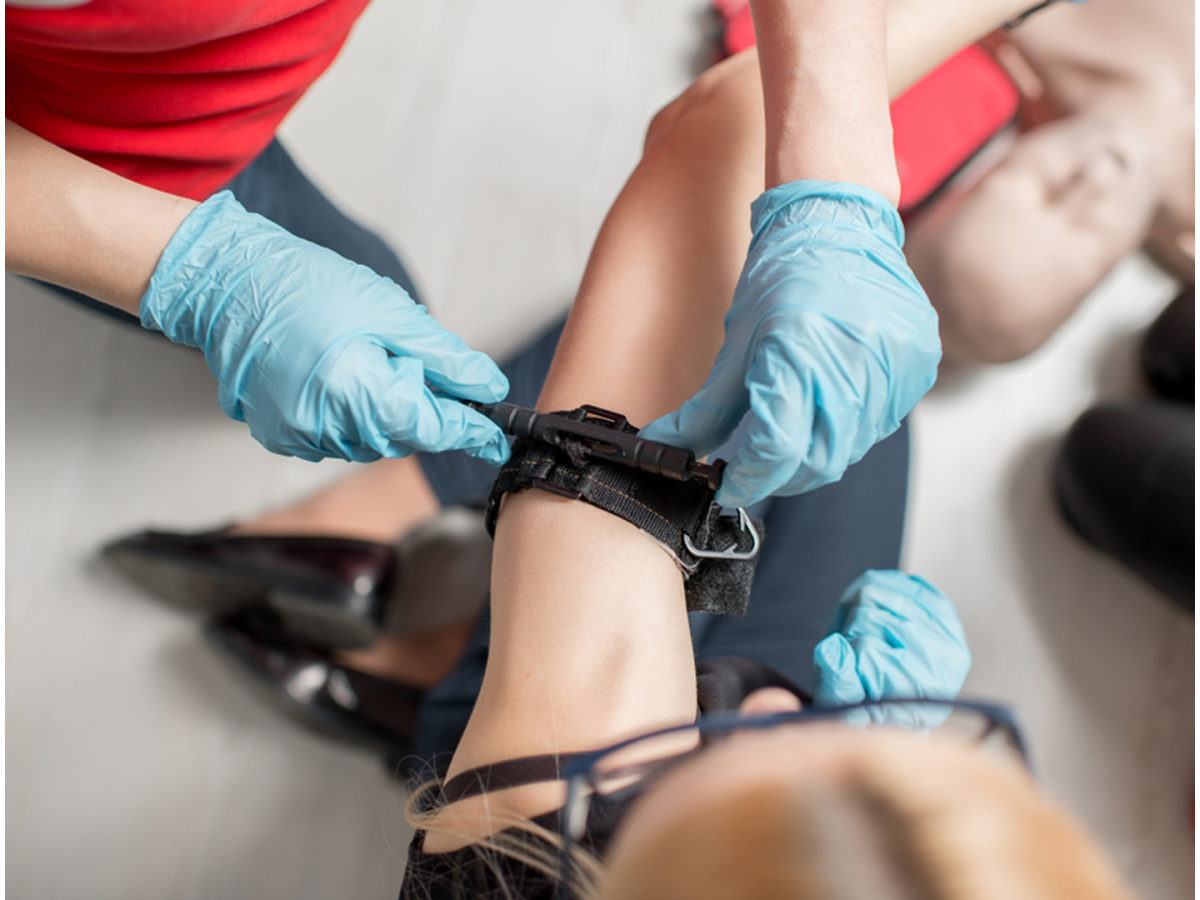
Direct pressure is one of the most effective ways to slow arterial bleeding. Use a clean cloth, dressing, or any available fabric to cover the wound.
How to apply pressure properly:
- Press firmly over the bleeding area
- Use both hands if needed
- Maintain steady pressure without lifting the material
- Add extra layers if blood soaks through
- Continue pressure until help arrives
Constant pressure supports clot formation and reduces dangerous blood loss.
Elevate the Injured Area When Possible
If the injury involves an arm or leg and no broken bones are suspected, gently raise the injured limb above heart level.
Benefits of elevation:
- Slows blood flow
- Reduces pressure at the wound
- Helps minimize swelling
- Supports bleeding control efforts
Avoid unnecessary movement if the person complains of severe pain or possible fractures.
Use A Tourniquet Only When Necessary
A tourniquet may be used for life-threatening limb bleeding that cannot be controlled with direct pressure alone. Proper placement is very important for safety.
Basic tourniquet guidelines:
- Place it above the injury site
- Tighten until bleeding stops
- Do not place it over joints
- Note the time it was applied
- Leave it in place until medical professionals take over
This technique can be lifesaving during severe emergencies involving heavy blood loss.
Prevent Shock during the Emergency
Significant bleeding can lead to shock, which is a dangerous condition requiring immediate attention.
Helpful ways to support the injured person:
- Keep them warm with a blanket or jacket
- Encourage slow breathing
- Lay them flat if appropriate
- Avoid giving food or drinks
- Monitor alertness and breathing
Comfort and reassurance can make a major difference while waiting for advanced care.
Continue Monitoring the Situation
Even after bleeding appears controlled, continued observation is important because conditions can change quickly.
Watch for:
- Increased bleeding
- Breathing difficulties
- Loss of consciousness
- Extreme weakness
- Changes in skin color
Staying attentive helps ensure the injured person receives timely support throughout the emergency.
Knowing the best first aid techniques for managing arterial bleeding can help save lives during critical situations. Quick pressure application, proper wound care, and calm decision-making all contribute to better outcomes. What is the most effective way to stop an arterial bleed when there is no object still in the wound? With preparation and confidence, anyone can provide valuable assistance during a serious bleeding emergency