Day: September 25, 2026

Simple Guide To Identifying Protective Components In Schematics

Electrical schematics become easier to understand when protective components can be identified quickly and accurately. Among these components, the fuse plays an important role by providing overcurrent protection within a circuit. Learning how to recognize the https://lsp.global/what-is-a-fuse-electrical-symbol-in-circuit-diagrams/ can make circuit diagrams more approachable and help readers understand where protection is positioned.

Recognizing The Fuse Symbol

A fuse symbol is commonly represented by a simple rectangular shape with a line passing through it. Depending on the schematic standard being used, the visual appearance can vary slightly, but its purpose remains easy to understand. The symbol identifies a protective component connected within the circuit path.

When reviewing a schematic, look for these useful characteristics:

  • A clearly defined symbol placed along a circuit conductor
  • Connection points on both sides of the protective component
  • Reference labels that identify the component
  • A position that indicates which circuit section receives protection

Recognizing these details allows readers to follow circuit paths more confidently and understand the purpose of individual components.
Understanding How Fuses Protect Circuits

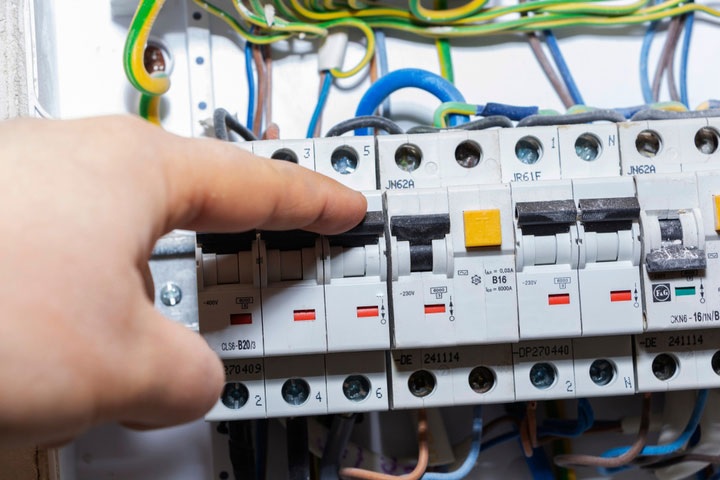
A fuse is designed to interrupt current when the electrical flow exceeds its intended limit. This protective action helps safeguard wiring and connected equipment from excessive current conditions. In a schematic, the fuse symbol provides a quick visual indication that this type of protection is included.

Understanding the symbol also helps with circuit interpretation because it shows where current protection is incorporated. By following the conductor before and after the fuse, readers can identify the protected section and better understand the overall circuit arrangement.

Distinguishing Protective Components

Electrical diagrams can include several protective devices, so learning their symbols improves schematic reading skills. A fuse symbol has a distinct appearance that separates it from components such as resistors, switches, and circuit breakers.

Consider these identification points:

  • Check the component shape carefully
  • Follow the connecting lines around the symbol
  • Review reference designations beside the component
  • Compare the symbol with the schematic legend when available
  • Observe its location within the circuit path

These simple steps create a structured approach to reading electrical diagrams.

Building Confidence With Schematic Reading

Familiarity with protective symbols makes electrical documentation easier to interpret. Once the fuse symbol becomes recognizable, readers can quickly locate protection points and understand how different sections of a circuit are arranged.

Regularly studying schematic symbols also improves accuracy when tracing circuit paths, reviewing designs, or learning electrical fundamentals. A clear understanding of protective components creates a stronger foundation for interpreting increasingly detailed diagrams.

By recognizing fuse symbols and understanding their position within circuit drawings, readers can approach electrical schematics with greater clarity and confidence. This simple knowledge supports organized circuit analysis and encourages safer, more informed electrical work.

Quality Considerations When Comparing Investment Casting Suppliers for Projects

Selecting an investment casting supplier requires careful attention to quality factors that can influence component consistency, durability, and production efficiency. A structured comparison helps project teams understand how well each supplier can meet technical requirements while maintaining dependable manufacturing standards.

Dimensional Accuracy and Consistency

Dimensional control is an important consideration when comparing suppliers. Consistent casting dimensions can reduce adjustment requirements and support smoother assembly.

Key points include:

  • Review stated dimensional tolerance capabilities.
  • Request sample inspection measurements.
  • Examine consistency across repeated production batches.
  • Confirm how critical dimensions are monitored.
  • Consider capabilities for complex geometries and thin sections.

Clear dimensional controls can contribute to predictable component performance and efficient downstream processing.

Material Quality and Traceability

Material selection directly influences the strength and functional characteristics of cast components. Quality-focused suppliers should demonstrate organized material handling and traceability practices.

Important considerations include:

  • Verify material specifications before production.
  • Review available material certification documentation.
  • Check heat or batch traceability procedures.
  • Confirm suitable alloy availability for project requirements.
  • Evaluate consistency in material verification.

These practices create greater confidence that every production batch follows the agreed specifications.

Surface Finish and Visual Quality

Investment casting can provide detailed surfaces and refined geometries, making surface quality another useful comparison point. Surface requirements should be clearly defined according to the component’s intended function.

When reviewing suppliers, consider:

  • Typical achievable surface finish.
  • Ceramic shell quality controls.
  • Gate and flash removal practices.
  • Visual inspection procedures.
  • Post-casting finishing capabilities.

A supplier that carefully manages surface quality can help reduce unnecessary finishing work.

Inspection and Testing Capabilities

Strong inspection procedures support reliable production outcomes. Comparing the testing methods available from different suppliers can reveal how thoroughly components are evaluated.

Look for:

  • First article inspection procedures.
  • Dimensional inspection reports.
  • Non-destructive testing options.
  • Hardness and mechanical property testing.
  • Final visual inspection.
  • Documented acceptance criteria.

Appropriate testing can help identify potential issues before components move into later production stages.

Process Control and Quality Systems

Consistent quality depends on controlled manufacturing processes. Suppliers should be able to explain how they manage wax patterns, ceramic shells, melting, pouring, heat treatment, finishing, and inspection.

Useful comparison points include:

  • Documented manufacturing procedures.
  • Process monitoring practices.
  • Equipment maintenance routines.
  • Inspection checkpoints throughout production.
  • Corrective action procedures.
  • Batch-to-batch consistency.

A systematic quality approach can support stable results across both prototypes and larger production requirements.

Communication and Technical Support

Quality also benefits from effective technical communication. During project discussions, information from https://www.bessercast.com/investment-casting-suppliers/ can complement supplier evaluations by helping teams focus on relevant casting considerations.

Consider suppliers that provide:

  • Clear technical documentation.
  • Practical design feedback.
  • Transparent quality requirements.
  • Responsive project communication.
  • Production feasibility discussions.
  • Consistent reporting throughout the project.

Building a Quality-Focused Comparison

A balanced supplier comparison should consider dimensional accuracy, material control, surface finish, inspection, process consistency, and communication together. Evaluating these areas systematically makes it easier to identify capabilities that align with project specifications.

By establishing clear quality expectations before production begins, project teams can encourage consistency, support efficient manufacturing, and build stronger foundations for successful investment casting projects.