Rebuilding Local Economies One Storefront at a Time
Local economies across many towns and cities have spent years absorbing the effects of retail disruption, from the steady growth of online shopping to the consolidation of commercial power into a handful of national and global players. The damage from that disruption has been real and, in some cases, difficult to reverse. But a quieter counter-trend has been building in parallel, one focused not on dramatic policy shifts, but on the slow, cumulative work of rebuilding local economic activity storefront by storefront.
The State of Local Economies After Years of Retail Disruption
The past two decades have not been kind to many local commercial districts. Rising commercial rents pushed out small, independent tenants in favor of businesses that could absorb higher costs. Online shopping siphoned off routine purchases that once flowed through local retailers. And the scale advantages enjoyed by large chains made it increasingly difficult for small businesses to compete on price or convenience alone.
The cumulative effect, in many communities, has been a hollowing out of local economic activity: vacant storefronts, reduced local employment, and a growing share of consumer spending flowing out of the community entirely rather than circulating locally. This isn’t universal, some towns and neighborhoods have fared better than others, but the broader pattern has been consistent enough to shape how economic development professionals think about local recovery.
How Storefront-by-Storefront Growth Adds Up
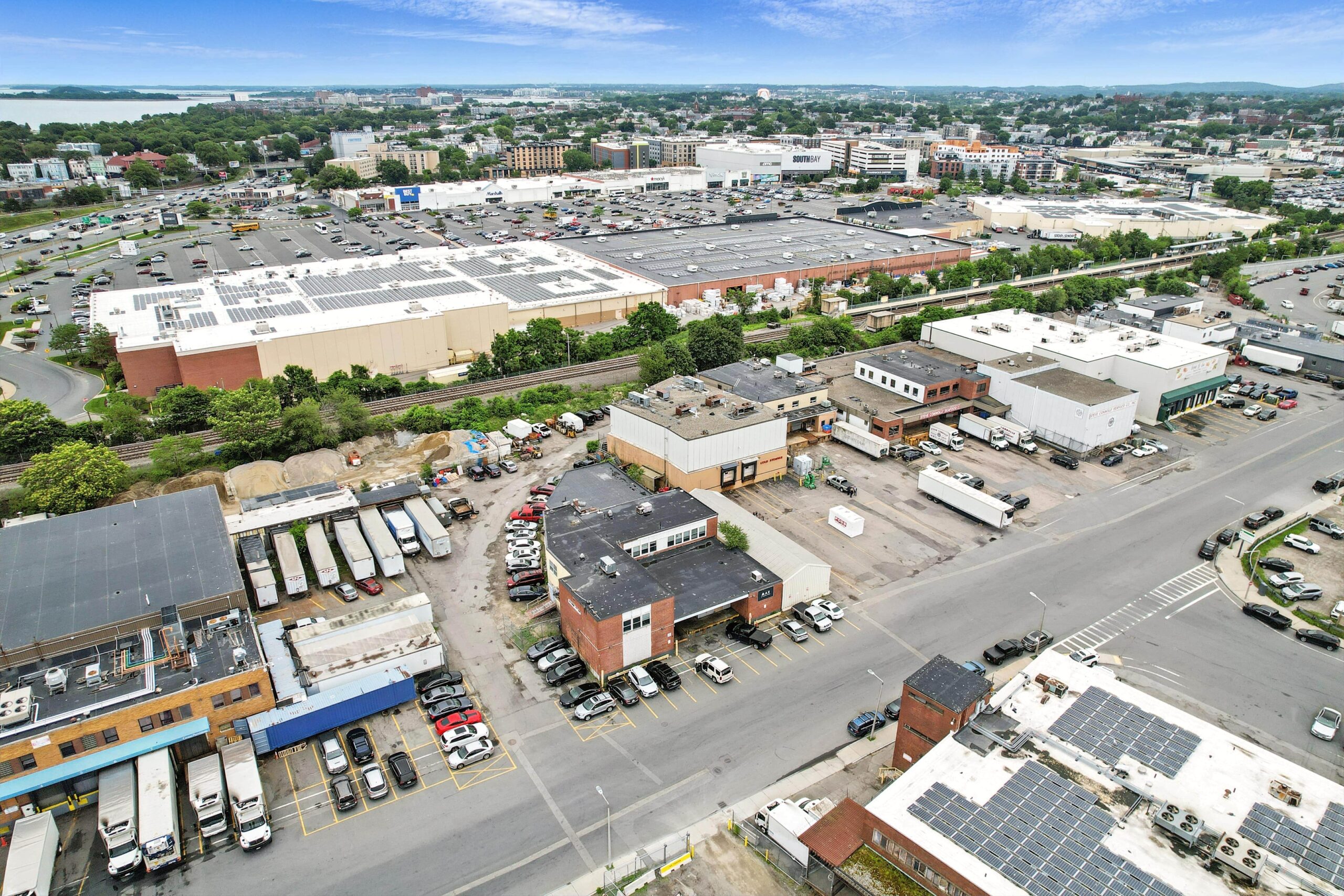
Against that backdrop, the recovery strategies gaining the most traction aren’t the dramatic, top-down interventions that once dominated urban renewal thinking. They’re incremental, focused on making it easier for individual small businesses to open, survive, and grow, one storefront at a time. This shift reflects a recognition that sustainable local economic growth tends to be built cumulatively, through many small, resilient businesses, rather than through a handful of large anchor developments that can just as easily leave as they arrived.
Shared marketplace models have become a meaningful part of this incremental approach. Rather than requiring each new business to independently secure and build out its own standalone storefront, a significant undertaking with real financial risk, these models offer a lower-risk path for small vendors to establish themselves and prove out demand before committing to larger, independent investments.
The Role of Shared Marketplace Spaces in Lowering Barriers to Entry
Shared marketplace spaces address one of the most persistent barriers facing new local businesses: the significant upfront cost and risk of a standalone storefront. Platforms such as NewMarket Square illustrate how this model works in practice, giving small vendors access to a shared commercial space and built-in customer traffic without requiring the kind of capital investment that independent storefronts typically demand.
This lower barrier to entry matters enormously for the health of local economies over time. It gives aspiring entrepreneurs, who might otherwise be priced out of opening a business entirely, a viable path to test their concept, build a customer base, and generate revenue. Some of these businesses eventually graduate to independent storefronts once they’ve proven their model. Others remain successfully within the shared marketplace long-term. Either outcome represents genuine economic activity that likely wouldn’t have existed without a lower-risk entry point.
What Sustainable Local Economic Growth Looks Like
Sustainable local economic growth tends to share a few common characteristics: a diverse mix of businesses rather than dependence on any single large employer or tenant, a meaningful share of revenue circulating locally rather than flowing out to distant corporate headquarters, and a steady, ongoing pipeline of new businesses rather than a one-time infusion of investment that eventually fades.
Shared marketplace models contribute meaningfully to all three of these characteristics. They naturally produce a diverse vendor mix, since the shared infrastructure model tends to attract a wide range of small business types rather than a single dominant category. They keep revenue circulating locally, since the businesses themselves are typically locally owned and operated. And they create an ongoing pipeline for new entrepreneurs, since the lower barrier to entry makes it easier for new businesses to continually enter the local economy.
A Cumulative Path to Recovery
Rebuilding a local economy that’s absorbed years of disruption was never going to happen through a single dramatic intervention. It happens the way most durable economic change happens, gradually, through the cumulative effect of many individual businesses finding a viable path to open, grow, and contribute to their community. Shared marketplace models represent one meaningful piece of that puzzle, lowering the barriers that have kept too many promising local businesses from ever getting the chance to try.