Day: May 19, 2025

Custom Umbrellas – A Simple Solution for Powerful Brand Exposure

Custom umbrellas have become an increasingly popular and effective marketing tool for businesses aiming to boost brand visibility and create lasting impressions. In today’s competitive marketplace, standing out requires creativity, and custom umbrellas offer a unique, practical, and eye-catching solution that blends functionality with branding. Unlike traditional promotional products that may be quickly discarded or forgotten, umbrellas provide ongoing utility, making them an excellent investment for long-term brand exposure. One of the primary reasons custom umbrellas work so well for brand promotion is their widespread appeal and usefulness. Rain or shine, umbrellas are an essential accessory for people in many parts of the world. When a business offers a high-quality custom umbrella adorned with its logo or slogan, it essentially turns every user into a moving billboard. This mobile exposure allows brands to reach a diverse audience beyond the initial recipient, increasing the chances of capturing the attention of potential customers. Whether walking on busy city streets, attending outdoor events, branded umbrellas catch eyes in a way that traditional print or digital ads often cannot.
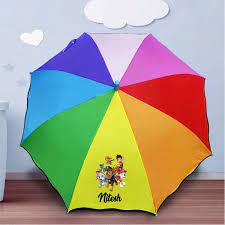
Custom Umbrellas

Moreover, the customizable nature of umbrellas allows companies to express their brand personality in creative ways. From vibrant colors and bold logos to unique patterns and catchy taglines, businesses can tailor every aspect of the umbrella’s design to align with their branding goals. This flexibility ensures that the umbrella stands out and is memorable, increasing the likelihood that recipients will use it regularly. When customers use a branded umbrella frequently, it fosters a positive association with the brand, helping build loyalty and trust over time. In addition to brand exposure, custom umbrellas also offer practical benefits that enhance customer experience and satisfaction. Giving away or selling umbrellas during rainy seasons or at outdoor events demonstrates thoughtfulness and an understanding of customers’ needs. This perceived value makes recipients more appreciative and likely to view the brand favorably. Furthermore, umbrellas are durable and long-lasting, meaning that the brand message remains visible for months or even years, far beyond the typical lifespan of other promotional items like pens or keychains. From a cost perspective, custom umbrellas provide excellent return on investment.

They strike a balance between being affordable enough for bulk orders and impactful enough to make a strong branding statement. Unlike more expensive advertising campaigns, umbrellas offer sustained visibility at a relatively low cost per impression. Businesses can also strategically distribute custom umbrellas during targeted marketing events, trade shows, or customer appreciation days, maximizing reach and engagement. Furthermore, custom umbrellas work well for businesses across industries. Whether for retail stores, real estate agencies, hospitality providers, or nonprofit organizations, the umbrella’s universal appeal makes it a versatile marketing tool. For example, hotels can offer branded umbrellas as complimentary gifts to guests, enhancing the overall guest experience while reinforcing the hotel’s name and image. Similarly, outdoor festivals or sports events can distribute custom umbrellas to attendees, combining functionality with memorable brand promotion. Custom umbrellas offer a simple yet powerful way to increase brand exposure through practical, visually appealing, and cost-effective means. Their ability to function as both a useful accessory and a moving advertisement makes them stand out among promotional products. In a crowded market, Aquaholic Gifts Pte Ltd custom umbrellas can be a strategic step toward building brand recognition, customer loyalty, and long-term success.

Why Perishable Goods Logistics Are Critical for Global Food Supply Chains

Perishable goods logistics play a crucial role in the efficiency and reliability of global food supply chains. These goods, which include fresh fruits, vegetables, dairy products, meat, seafood, and other temperature-sensitive items, have a limited shelf life and require specialized handling and transportation to maintain their quality and safety. As the global population grows and consumer demand for fresh and diverse food products increases, the importance of effective perishable goods logistics becomes even more pronounced. Proper management of these logistics ensures that food reaches consumers in optimal condition, minimizes waste, and supports food security worldwide. One of the fundamental challenges in perishable goods logistics is the need to maintain the cold chain a temperature-controlled supply chain that preserves the quality and safety of sensitive products from the point of origin to the final destination. Any break in the cold chain, whether due to inadequate refrigeration during transport, improper packaging, or delays, can lead to spoilage, reduced nutritional value, and even foodborne illnesses. This makes temperature monitoring and control paramount, demanding sophisticated refrigeration equipment, insulated packaging, and real-time tracking technologies.

Logistics Company

The ability to monitor temperature throughout the entire logistics process not only safeguards the perishables but also builds trust among suppliers, retailers, and consumers. Moreover, the complexity of global food supply chains requires seamless coordination across multiple stakeholders, including farmers, processors, transporters, distributors, and retailers. Perishable goods logistics must account for variables such as transit time, storage conditions, regulatory compliance, and customs clearance, especially when products cross international borders. Efficient logistics systems reduce transit times and optimize routing to minimize delays, which is essential because the faster perishable goods reach the market, the longer their shelf life for consumers. This efficiency helps lower spoilage rates and costs, ultimately benefiting both producers and consumers. Sustainability has also become a significant consideration in perishable goods logistics. The food industry faces mounting pressure to reduce environmental impact, particularly greenhouse gas emissions associated with refrigerated transport and food waste. Innovations such as eco-friendly refrigerants, electric or hybrid refrigerated vehicles, and improved packaging materials contribute to greener logistics solutions.

Additionally, by reducing spoilage through better logistics practices, the industry can decrease the volume of discarded food, addressing both environmental and ethical concerns related to food waste. Hence, perishable goods logistics not only support economic and food security goals but also align with global sustainability objectives. In addition to environmental concerns, perishable goods logistics have economic and social implications. Efficient Logística de perecederos y transporte de alimentos enable small-scale farmers and producers from developing regions to access global markets, providing opportunities for economic growth and poverty reduction. By preserving the quality of their produce during transport, these stakeholders can command better prices and compete more effectively. Furthermore, reliable delivery of fresh food products supports public health by improving access to nutritious food, especially in urban areas where local production is limited. The ability to transport perishable goods over long distances thus enhances food diversity and availability worldwide. As the global demand for perishable food items continues to rise, investments in advanced logistics infrastructure, technology, and practices will remain essential to meet these challenges and secure the future of global food systems.