Day: August 6, 2024

Optimizing Heat Pump Efficiency – Maintenance Tips and Best Practices for Homeowners

Optimizing the efficiency of a heat pump is crucial for both cost savings and comfort in your home. Proper maintenance and best practices play a significant role in ensuring that your heat pump operates at peak performance throughout its lifespan. Regular maintenance is essential for keeping the system running smoothly. Begin by cleaning or replacing the air filters monthly. Dirty filters can restrict airflow, reducing the heat pump’s efficiency and potentially leading to system malfunctions. Next, ensure that the outdoor unit is free from debris such as leaves, branches, and dirt. A clear area around the unit allows for better airflow and helps the system perform more efficiently. It is also important to keep the coils of the heat pump clean. Over time, dust and dirt can accumulate on the evaporator and condenser coils, which impair heat exchange and can cause the system to overheat. Regularly inspect and clean the coils to maintain optimal performance. Additionally, check the insulation on the refrigerant lines. Proper insulation helps maintain the temperature of the refrigerant as it travels between the indoor and outdoor units, improving the overall efficiency of the heat pump.
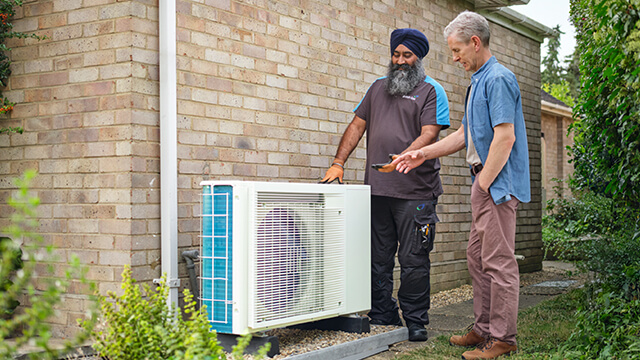
Modern Heat Pumps

Another key aspect of maintenance is ensuring that the thermostat is functioning correctly. Programmable or smart thermostats can help manage your home’s temperature more efficiently by adjusting settings based on your schedule and preferences. Make sure to calibrate the thermostat periodically to ensure accurate temperature readings and efficient operation. Additionally, inspect the ductwork for any leaks or damage. Leaky ducts can cause a significant loss of heated or cooled air, reducing the efficiency of the heat pump. Sealing and insulating any leaks in the ductwork can help maintain consistent temperatures and reduce energy consumption. Scheduling professional maintenance at least once a year is also highly recommended. A qualified technician can perform a thorough inspection of the heat pump efficiency chart, checking for issues that may not be apparent during regular maintenance. This includes examining the system’s refrigerant levels, inspecting the electrical components, and ensuring that all parts are functioning correctly. Professional maintenance can help identify and address potential problems before they escalate into costly repairs.

In addition to regular maintenance, consider upgrading to a higher-efficiency heat pump if your current system is outdated. Modern heat pumps are designed with advanced technology that improves efficiency and reduces energy consumption. Look for units with high Seasonal Energy Efficiency Ratios SEER and Heating Seasonal Performance Factors HSPF to ensure you are investing in a system that will deliver optimal performance. Finally, managing your home’s overall energy efficiency can also impact the effectiveness of your heat pump. Proper insulation, weatherstripping around doors and windows, and using energy-efficient window coverings can help reduce the workload on your heat pump and enhance its performance and visit www.jnodenergy.com. By following these maintenance tips and best practices, you can ensure that your heat pump operates efficiently, providing consistent comfort and reducing energy costs over time.

Innovative Preschool – Exploring the Latest Trends in Early Childhood Education

In the ever-evolving landscape of early childhood education, innovative preschools are leading the way by embracing the latest trends that prioritize holistic development, creativity, and individualized learning experiences. These trends are reshaping traditional approaches and introducing fresh perspectives that cater to the diverse needs of young learners. One of the most prominent trends is the integration of play-based learning, which emphasizes the importance of play as a central component of cognitive, social, and emotional development. Rather than relying solely on structured academic instruction, innovative preschools are creating environments where children learn through exploration, imagination, and hands-on activities. This approach fosters a love for learning and helps children develop critical thinking and problem-solving skills from an early age. Another key trend is the incorporation of technology in a balanced and purposeful manner. While some may have concerns about screen time, innovative preschools are using technology to enhance learning rather than replace traditional interactions.

Preschool Education

Interactive digital tools, such as educational apps and programmable robots, are introduced in ways that complement tactile and social experiences. These tools can support literacy and numeracy skills, and even facilitate coding basics, while ensuring that technology is used as a means to enrich learning rather than dominate it. Social-emotional learning SEL is also gaining prominence in modern preschools. Recognizing that emotional intelligence is crucial for overall success, these programs are focusing on helping children develop self-awareness, empathy, and effective communication skills. SEL is integrated into daily activities through role-playing, storytelling, and group discussions, providing children with the tools they need to navigate their emotions and build positive relationships. This emphasis on emotional health not only supports personal well-being but also lays the foundation for healthy social interactions and resilience. Moreover, there is a growing emphasis on inclusivity and cultural competence. Innovative preschools are increasingly aware of the need to reflect and celebrate diverse cultures and backgrounds.

The preschool in Cheras often include multicultural elements that expose children to a variety of perspectives and traditions, fostering an environment of respect and understanding from an early age. This inclusivity helps children develop a global mindset and prepares them to thrive in a diverse world. Sustainability and environmental awareness are also becoming integral parts of early childhood education. Preschools are incorporating eco-friendly practices and teaching children about the importance of caring for the environment. This includes activities such as gardening, recycling, and learning about natural processes, which not only promote environmental stewardship but also instill a sense of responsibility and connection to the world around them. Finally, family engagement is being redefined with a focus on creating strong partnerships between educators and parents. Innovative preschools are adopting strategies that involve families in the learning process through regular communication, collaborative projects, and workshops. This approach ensures that learning extends beyond the classroom and that parents are active participants in supporting their child’s development.

How EV Chargers Are Shaping the Future of Sustainable Transportation

As the world grapples with the pressing need for sustainable solutions, electric vehicles EVs have emerged as a promising alternative to traditional gasoline-powered cars. Central to the adoption and effectiveness of EVs is the development and proliferation of EV chargers. These crucial components are not just enabling the transition to cleaner transportation but are also transforming the landscape of how we think about energy, infrastructure, and mobility. EV chargers are pivotal in making electric vehicles a practical choice for consumers. The expansion of charging infrastructure has been a key factor in overcoming one of the major barriers to EV adoption – range anxiety. Range anxiety refers to the fear that a vehicle has insufficient charge to reach its destination or the next charging station. There are several types of EV chargers, each with varying levels of charging speed and infrastructure requirements:

Level 1 Chargers – These are the most basic type of Beny EV chargers, typically using a standard household outlet 120V. They are generally slower and are suitable for overnight charging at home, providing about 4-5 miles of range per hour of charging.

Level 2 Chargers – These chargers use a 240V outlet and can be installed at homes or public charging stations. They offer significantly faster charging times compared to Level 1 chargers, providing around 25-30 miles of range per hour. Level 2 chargers are becoming increasingly common in residential areas, workplaces, and public spaces.

DC Fast Chargers – These high-speed chargers can deliver a substantial amount of power quickly, allowing for rapid recharging of EVs. They are typically found along highways and major travel routes, making long-distance EV travel more feasible. DC Fast Chargers can provide up to 80% charge in about 30 minutes, depending on the vehicle and charger specifications.

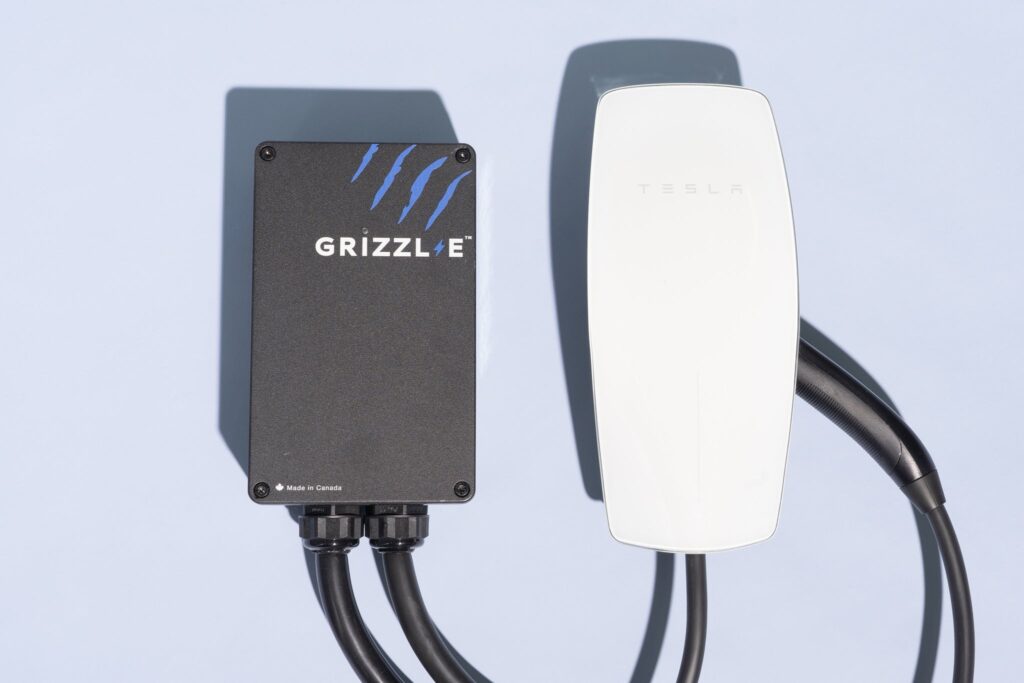
EV Chargers

The proliferation of EV chargers is instrumental in driving the shift toward sustainable transportation. As charging infrastructure becomes more widespread and accessible, it encourages more consumers to consider EVs as a viable alternative to traditional vehicles. This shift has significant environmental benefits, including:

Reduction in Greenhouse Gas Emissions – Electric vehicles produce zero tailpipe emissions, which helps reduce the overall greenhouse gas emissions associated with transportation. When paired with renewable energy sources for electricity generation, the environmental benefits are further enhanced.

Decreased Air Pollution – EVs contribute to improved air quality by reducing pollutants such as nitrogen oxides and particulate matter, which are common in emissions from internal combustion engines. Cleaner air benefits public health, particularly in urban areas with high traffic density and find out more info at https://www.beny.com/es/.

Promotion of Renewable Energy – The integration of EV chargers with renewable energy sources, such as solar panels, allows for cleaner energy use in powering EVs. This synergy between renewable energy and electric transportation supports broader goals of reducing reliance on fossil fuels.

EV chargers are more than just facilitators of electric vehicle use they are critical enablers of a sustainable transportation future. By expanding charging infrastructure and integrating it with renewable energy sources, society can significantly advance toward cleaner, more efficient transportation solutions. As technology continues to evolve and infrastructure grows, the role of EV chargers in shaping a sustainable future will only become more profound.