Online Therapy – A Convenient Solution for Mental Health Challenges
In recent years, online therapy has emerged as a convenient and accessible solution for addressing mental health challenges, particularly in an era where traditional therapy may not always be feasible due to geographical, financial, or personal constraints. The digital transformation of mental health services has allowed individuals to seek support from the comfort of their homes, reducing the stigma often associated with seeking help and making it easier for those who might be reluctant to attend in-person sessions. Online therapy provides various formats, including video calls, phone calls, and messaging platforms, ensuring that clients can choose a mode of communication that suits their preferences and needs. One of the most significant advantages of online therapy is its accessibility. For individuals living in rural or underserved areas, finding a qualified therapist can be challenging. Online platforms bridge this gap by connecting clients with licensed professionals regardless of their location. This increased availability is particularly beneficial for those with mobility issues, chronic illnesses, or busy schedules that make attending in-person appointments difficult.
Additionally, online therapy can accommodate diverse populations, including those who may have language barriers or cultural considerations that require a specific approach. With the ability to filter therapists based on specialties, languages spoken, and therapeutic methods, clients can find professionals who align with their needs and values. Furthermore, the convenience of online therapy often leads to increased frequency and flexibility in sessions. Clients can schedule appointments at times that suit their lifestyles, whether early in the morning or late at night. This flexibility can be particularly beneficial for individuals balancing work, family, or educational commitments. The reduced time and stress associated with commuting to a therapist’s office also mean that clients can engage in therapy more consistently, fostering a deeper and more effective therapeutic relationship. The increased comfort of attending sessions in familiar environments can also help clients open up more readily, allowing for a more productive dialogue about their feelings and experiences. Despite these advantages, online therapy is not without its challenges.
Some clients may struggle with technology, finding it difficult to navigate online platforms or experiencing issues with internet connectivity during sessions. Additionally, the lack of in-person interaction can sometimes make it harder to build rapport with a therapist, particularly for individuals who may feel more comfortable in face-to-face settings. Therapists must also be adept at reading non-verbal cues through a screen, which can complicate the therapeutic process. To address these concerns, many online therapy platforms offer user-friendly interfaces, tutorials, and customer support to help clients navigate their services. Therapists often encourage clients to engage in video sessions whenever possible to foster a more personal connection, while also providing alternative communication methods if needed. Another essential consideration is the ethical and legal implications of Sugarland psychological Houston teletherapy. Therapists must navigate complex licensing regulations, ensuring they are qualified to practice in the client’s state or country. This requirement can sometimes limit the availability of therapists for clients seeking help across state or national lines.

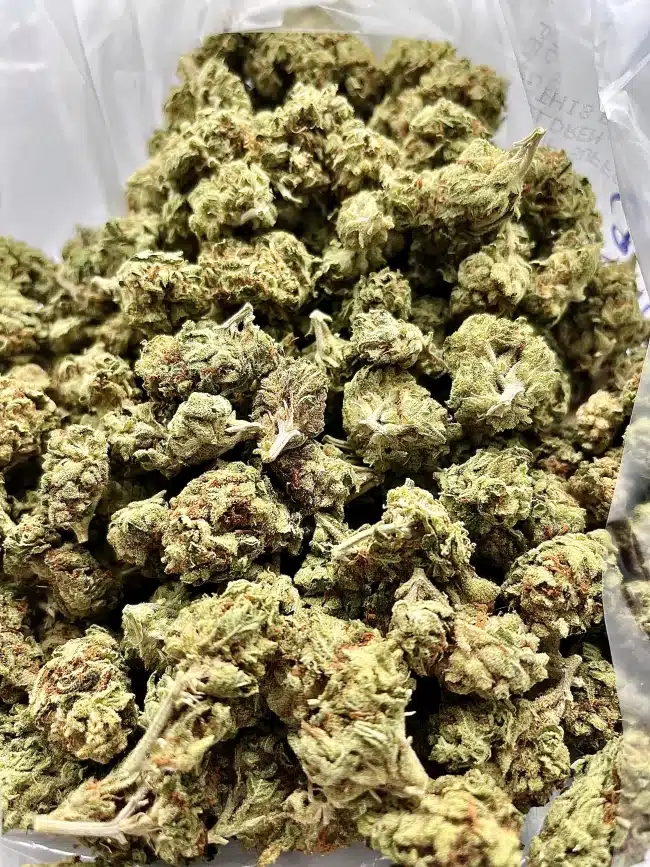 For example, states like California, Colorado, and Oregon have robust legal frameworks governing the production and sale of THC cartridges. In these states, dispensaries are licensed to sell THC products to consumers over the age of 21, and the products must meet strict quality and safety standards. THC cartridges are typically tested for potency, pesticides, and other contaminants to ensure they are safe for consumption. On the other hand, in states where only medical marijuana is legal, THC cartridges may only be available to patients who possess a valid medical cannabis card. The regulations in these states are often stricter, with limitations on the amount of THC that can be purchased or possessed. In contrast, several states still prohibit the use of THC products altogether. In places like Idaho and Nebraska, all forms of cannabis, including


 Additionally, community-based mental health initiatives are gaining traction, emphasizing the importance of social support and community integration in mental health recovery. These initiatives often involve partnerships with local organizations, peer support networks, and social services to provide a comprehensive support system for individuals. By addressing social determinants of mental health, such as housing stability, employment, and social connections, community-based models help to create a more inclusive and supportive environment for individuals with mental health conditions. These innovative care models are not without challenges, including issues related to funding, training, and system integration. However, their potential to enhance the quality and accessibility of mental health care is significant. By leveraging technology, fostering collaboration, personalizing treatment, and engaging communities, these models represent a forward-thinking approach to addressing mental health needs in a more effective and compassionate manner. As these innovations continue to evolve, they hold promise for a future where mental health care is more equitable, integrated, and responsive to the diverse needs of individuals.