Kratom Energy Enhancement – Understanding Pain-Relieving Properties
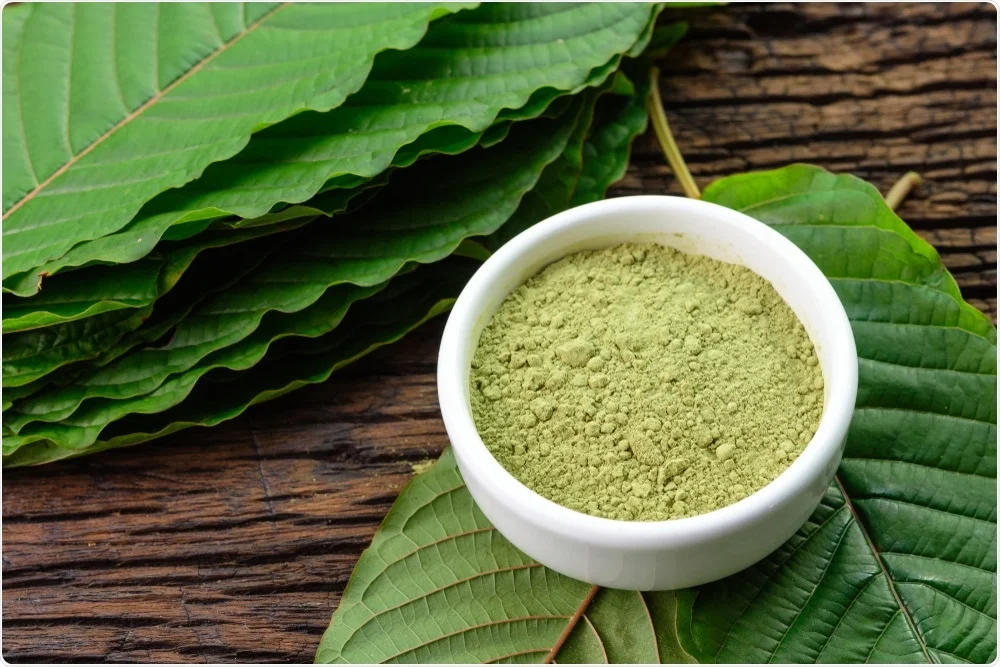
Kratom, derived from the leaves of the Mitragyna speciosa tree native to Southeast Asia, has garnered increasing attention for its potential pain-relieving properties. Traditionally used in countries like Thailand and Indonesia, kratom has been employed by local populations for centuries to alleviate various ailments, enhance mood, and boost energy. The leaves contain several active compounds, notably mitragynine and 7-hydroxymitragynine, which interact with opioid receptors in the brain, producing effects similar to those of traditional pain medications. These alkaloids have demonstrated analgesic properties, making kratom a potential alternative for individuals seeking relief from chronic pain, including conditions like arthritis, fibromyalgia, and neuropathic pain. One of the primary reasons people turn to kratom is its versatility in managing pain. At lower doses, kratom is often associated with stimulant-like effects, providing users with increased energy and focus, while higher doses tend to produce sedative and pain-relieving effects. This duality allows individuals to tailor their kratom use based on their specific needs at any given time. For instance, someone may use a smaller amount in the morning to enhance productivity and a larger dose in the evening to unwind and manage pain after a long day.
This flexibility has contributed to its popularity, particularly among those who may not find adequate relief from conventional pain medications or who wish to avoid the potential side effects and risks associated with stronger opioids. Despite its potential benefits, the use of kratom is not without controversy. Critics argue that its safety and efficacy have not been thoroughly studied, leading to concerns about dependency, addiction, and withdrawal symptoms. The U.S. Food and Drug Administration FDA has raised alarms about kratom’s potential for abuse and its association with adverse health effects, including respiratory depression, liver damage, and even fatalities in some cases. Consequently, the legal status of kratom varies by region, with some states and countries imposing restrictions or outright bans on its sale and use. This regulatory uncertainty can make it challenging for individuals seeking pain relief to access kratom safely and reliably.
Users often report positive experiences, citing significant reductions in pain and improvements in overall quality of life. Anecdotal evidence suggests that kratom may provide a viable alternative for those who have not found success with traditional treatments to buy green maeng da kratom. However, as with any substance, individual responses can vary widely, and what works for one person may not work for another. It is essential for anyone considering kratom for pain relief to approach it with caution and to consult healthcare professionals, particularly those familiar with integrative and alternative therapies. In summary, kratom presents a complex landscape of potential benefits and risks as a pain reliever. While it may offer hope for individuals struggling with chronic pain, further research is necessary to understand its long-term effects, proper dosages, and safety profile. As awareness of kratom grows, it is crucial for users to remain informed and cautious, ensuring that they make decisions based on sound information and medical advice.


 Taste is another key factor that sets Delta 9 gummies apart from other cannabis products. They come in a wide range of flavors, from classic fruit options like strawberry and lemon to more exotic varieties like mango chili or sour apple. This variety caters to different palates and makes consuming cannabis a more enjoyable experience. The flavor masking effect also helps to cover the often earthy or herbal taste of raw cannabis, which can be off-putting to some users. The result is a treat that not only delivers the desired effects but also pleases the taste buds. The potency of Delta 9 gummies is a crucial aspect of their appeal. Each gummy typically contains a precise amount of THC, allowing users to easily gauge how much they are consuming and how it will affect them. This is particularly important for managing dosage and ensuring that users experience the desired effects without overindulgence. For recreational users, this means a more predictable high, while for those using cannabis for medicinal reasons, it allows for better management of symptoms and side effects.