House Cleaning Maid Services Provide Health Benefits by Reducing Allergens and Dust
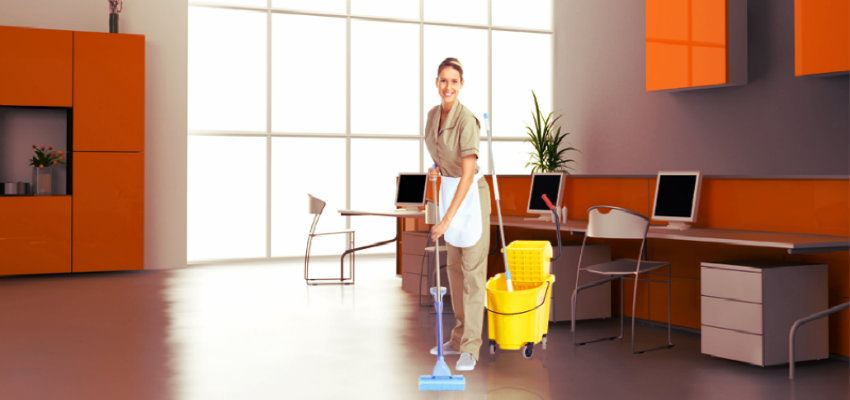
House cleaning maid services do more than just tidy up your home they also play a significant role in enhancing your overall health by reducing allergens and dust. In our modern lives, where many of us spend a considerable amount of time indoors, maintaining a clean environment is crucial for our well-being. Here is how professional cleaning services can contribute to a healthier living space.
Reducing Allergens
One of the primary health benefits of regular cleaning is the reduction of allergens. Allergens, such as dust mites, pollen, and pet dander, can trigger allergic reactions and exacerbate conditions like asthma. Dust mites are tiny creatures that thrive in dusty environments, particularly in bedding, carpets, and upholstery. These microscopic organisms feed on dead skin cells and their waste can trigger allergic responses. Professional cleaning services are equipped with specialized tools and cleaning agents designed to tackle these allergens effectively. Regular vacuuming of carpets and upholstery, along with thorough dusting, helps to reduce the presence of these harmful particles.
Controlling Dust
Dust accumulation is another issue that can affect indoor air quality. Dust consists of tiny particles from a variety of sources, including dirt, pollen, and even fibers from clothing and furniture. When dust settles, it can create a layer on surfaces that, when disturbed, becomes airborne again, contributing to respiratory issues and exacerbating allergies. Professional maid services typically employ advanced cleaning techniques to manage dust effectively. For instance, microfiber cloths are often used because they can capture and hold onto dust particles more efficiently than traditional dusting methods.
Improving Air Quality
The quality of the air inside your home is directly influenced by the amount of dust and allergens present. Poor indoor air quality can lead to various health issues, including respiratory problems, headaches, and fatigue. By keeping your home clean and free from excessive dust and allergens, you contribute to better air quality and a healthier living environment. Professional cleaning services often include tasks such as wiping down surfaces, cleaning vents and air ducts, and using air purifiers. These actions help to reduce the concentration of airborne pollutants and maintain cleaner air throughout your home.
Reducing Mold and Mildew
Mold and mildew thrive in damp, unclean environments. These fungi can produce spores that are harmful when inhaled, leading to respiratory issues and allergic reactions. Regular cleaning helps to prevent the buildup of mold and mildew by addressing damp areas and ensuring that surfaces are kept dry. Maids often use mold-inhibiting cleaning agents and techniques to address areas prone to moisture, such as bathrooms and kitchens. By ensuring these areas are regularly cleaned and dried, professional services help to reduce the risk of mold growth and its associated health problems and learn more here.
House cleaning maid services offer significant health benefits by reducing allergens, dust, and mold, which can improve indoor air quality and overall well-being. By investing in regular professional cleaning, you create a healthier living environment that supports better respiratory health and enhances your quality of life. Whether through specialized equipment, advanced cleaning techniques, or thorough attention to detail, these services help ensure that your home remains a clean and safe haven.





 Additionally, community-based mental health initiatives are gaining traction, emphasizing the importance of social support and community integration in mental health recovery. These initiatives often involve partnerships with local organizations, peer support networks, and social services to provide a comprehensive support system for individuals. By addressing social determinants of mental health, such as housing stability, employment, and social connections, community-based models help to create a more inclusive and supportive environment for individuals with mental health conditions. These innovative care models are not without challenges, including issues related to funding, training, and system integration. However, their potential to enhance the quality and accessibility of mental health care is significant. By leveraging technology, fostering collaboration, personalizing treatment, and engaging communities, these models represent a forward-thinking approach to addressing mental health needs in a more effective and compassionate manner. As these innovations continue to evolve, they hold promise for a future where mental health care is more equitable, integrated, and responsive to the diverse needs of individuals.